

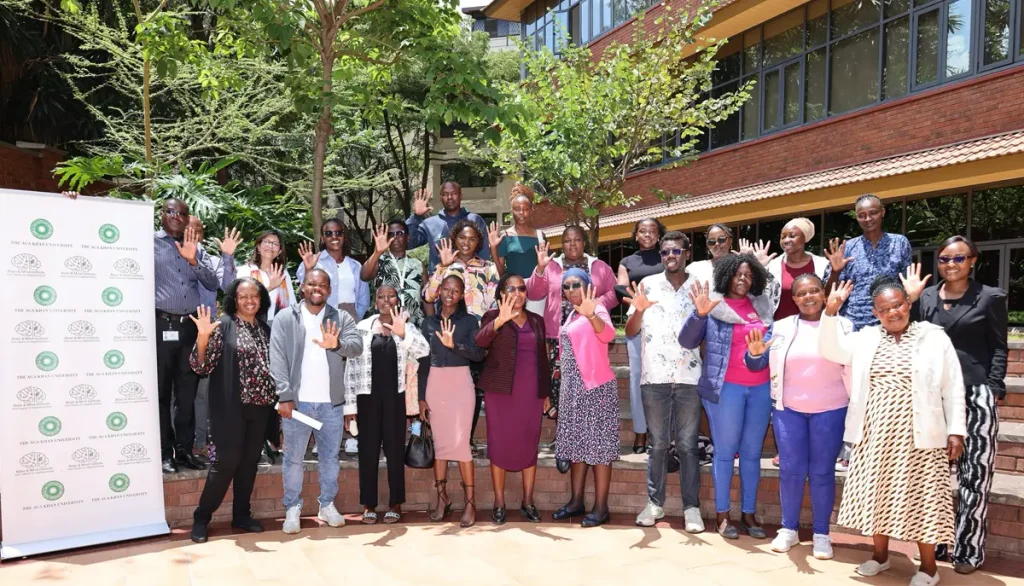
The Brain and Mind Institute (BMI), through the Africa-FINGERS project team, brought together community members, researchers, and health officials for validation workshops in Nairobi on October 27 and in Kilifi on October 29, 2025. The sessions were held to review community designed ideas for reducing dementia risk and supporting healthy aging.
Anchored at BMI, Africa-FINGERS uses a community-based approach that places local experience at the center of the work. The aim is to ensure that any recommended actions are practical and grounded in what communities say they can sustain.
Dr. Edna Bosire, BMI’s Medical Anthropologist and Co lead of Work Package 1 within the project, said the workshops show why communities must help shape health strategies. “Co-designing interventions with communities ensures that dementia prevention strategies are rooted in people’s lived experiences. Communities have deep knowledge about health and aging, and engaging them builds trust, ownership and long-term impact,” she said.
The project is running in both urban Nairobi and rural Kilifi to capture different day to day factors that affect brain health. Nairobi residents often face processed diets, limited exercise and reduced social time, while Kilifi communities draw on strong social networks but have fewer health services. Bringing both perspectives together helps create strategies that reflect the realities of the country.
Zubeda Kilonzo, a Community Health Promoter in Kilifi, noted that the work reflects needs she sees daily. “I have seen this research grow from the very first day it was introduced to us and community members actively contributing. These issues live in our communities, and we often see them long before any doctor does. This research gives us hope and direction as we work to reduce the risk of dementia among our people,” she said.
During the workshops, participants reviewed practical steps that communities can adopt. These included simple physical activities such as walking groups and local dances, using affordable local foods to improve nutrition, and adding health checks like blood pressure and glucose screening to community gatherings. They also supported using storytelling, reading and traditional games to keep the mind active and strengthening social groups such as chamas and church clubs to support older adults.
Samuel Musembi, a Community Advisory Board Member from Nairobi, stressed that brain health should be supported across all ages. “We need an intergenerational approach to wellbeing because physical activity, nutrition, community and social connection are universal needs. Many interventions focus on children, yet parents who would equally benefit are often left out. When families build simple traditions of doing things together, the collective energy strengthens prevention efforts,” he said.
The Africa-FINGERS project team will continue refining the interventions with the communities involved. The goal is to build dementia prevention strategies that are evidence based, culturally grounded, and realistic for households across Kenya.